Is Plastic Surgery in Turkey Safe? The Honest Answer for 2026
Is plastic surgery in Turkey safe? Here's the honest answer — what makes a clinic safe, why complications happen, and what to verify before you book.
Last updated: April 2026 | By the Dollhouz Editorial Team
Every year, hundreds of thousands of North Americans search this exact question.
And every year, they find two types of articles: US surgeons warning them to stay home, and Turkish clinics telling them everything is perfect.
Neither is giving you the full picture.
This article will. We cover what the data actually says, why bad outcomes happen, what separates a safe clinic from a dangerous one, and what you should verify before booking anything.
Is Plastic Surgery in Turkey Safe?
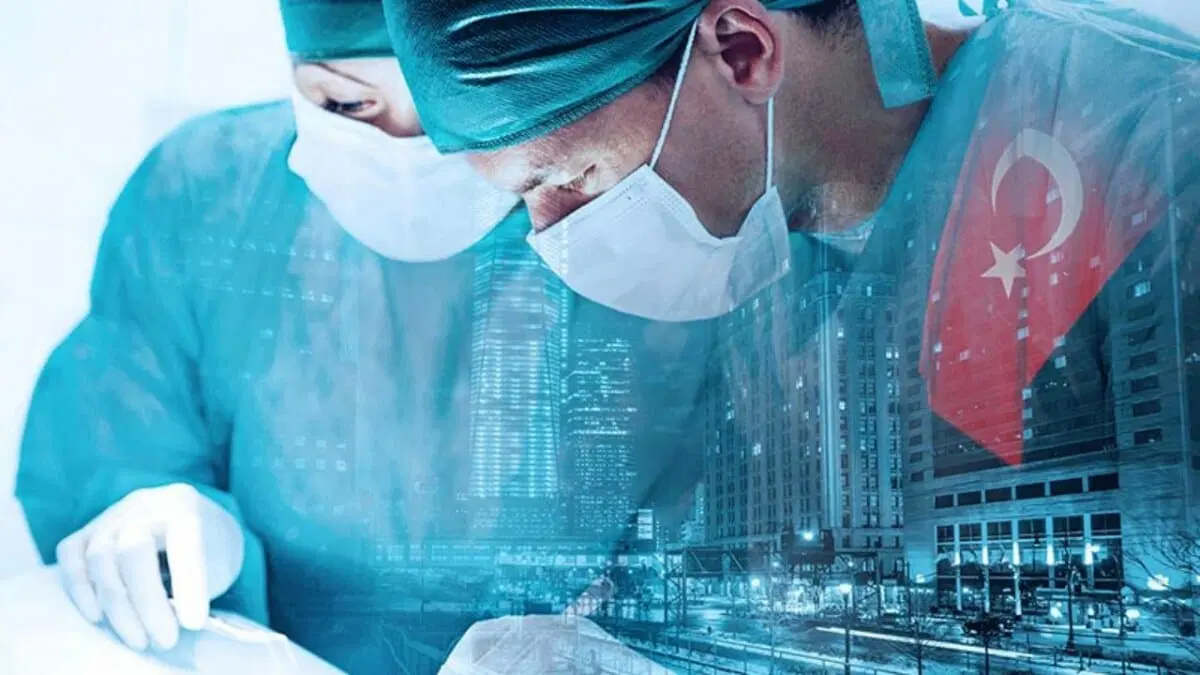
Yes — plastic surgery in Turkey is safe when performed by a board-certified surgeon in an accredited facility. Turkey has more than 50 JCI-accredited hospitals, ranking second globally behind only the United States. The country performs over 500,000 international cosmetic procedures annually and requires dual accreditation for any clinic serving foreign patients.
That said, safety outcomes depend almost entirely on which clinic you choose. Turkey's medical tourism industry ranges from world-class to dangerously unregulated — and the gap between the two is wider than in North America. Most bad outcomes trace back to clinics competing purely on price, not on standards.
The short answer: Turkey is safe. The wrong clinic is not.
Why Turkey Has a Safety Reputation Problem
Turkey is one of the busiest cosmetic surgery destinations on earth. Istanbul alone handles an estimated 500,000+ procedures from international patients every year (Turkish Ministry of Health, 2024). When you have that volume, bad outcomes get amplified — particularly on social media and forums, where a botched rhinoplasty in Istanbul goes viral while the same result from a Miami clinic gets buried in a local complaint form.
Some Turkish clinics compete purely on price, cutting corners on surgeon qualifications, facility standards, and aftercare. These clinics exist. They are the source of most legitimate complaints. The solution is not to avoid Turkey — it is to know how to avoid those clinics.
US-based plastic surgery practices frequently publish content warning patients away from Turkey. That content is not neutral. It is written by providers who lose business to medical tourism.
Turkey's Medical Standards: What the Data Shows
Turkey holds the second-highest number of JCI-accredited hospitals in the world. Joint Commission International (JCI) is the global gold standard for hospital accreditation — the same body that certifies top US hospitals. As of 2025, Turkey has over 50 JCI-certified facilities, behind only the United States (JCI Directory, 2025).
Turkey mandates dual accreditation for medical tourism clinics. Facilities serving international patients must hold both JCI or TUSKA certification and specific Ministry of Health authorization for health tourism. Operating without this is illegal.
Turkish plastic surgeons train internationally. Many of Turkey's leading surgeons completed fellowships in the United States, United Kingdom, France, and Germany. Board certification through the Turkish Plastic, Reconstructive and Aesthetic Surgery Association (TPRECD) requires years of supervised training before independent practice.
The cost difference is structural, not a quality cut. Cosmetic surgery in Turkey costs 60 to 80% less than in North America due to lower operating overhead, lower malpractice insurance costs, favorable exchange rates, and Turkish government incentives for health tourism.
Why Bad Outcomes Happen: The Real Causes
1. Choosing a clinic based on price alone. Extremely low quotes — often 30 to 40% below what accredited clinics charge — typically signal less experienced surgeons, generic materials, rushed scheduling, or inadequate post-operative care.
2. Skipping credential verification. Some clinics use general-practice physicians performing cosmetic procedures without specialist training. Always verify TPRECD certification for your specific procedure.
3. No proper pre-operative assessment. Blood work, medical history review, and a real consultation with your actual surgeon — not just a patient coordinator — are non-negotiable.
4. No structured aftercare. Complications emerge in the days and weeks after surgery. International patients who fly home without a structured post-op protocol are the most vulnerable.
5. Communication barriers. Language gaps between patients and medical staff have contributed to real complications: wrong procedures, misunderstood post-operative instructions, delayed responses to emerging problems.
7 Things to Verify Before Booking Surgery in Turkey
- Verifiable facility accreditation. Ask for JCI certification or Turkish Ministry of Health health tourism authorization. A legitimate clinic provides documentation immediately.
- Surgeon board-certification for your specific procedure. Confirm TPRECD certification and ask how many of this specific procedure the surgeon has performed in the past 12 months.
- A real pre-operative consultation. A video call with your actual surgeon reviewing your photos, discussing realistic outcomes, and explaining risks — not a price quote from a coordinator.
- Required pre-op bloodwork and medical screening. Every reputable clinic requires this. If a clinic skips it, they are not the right clinic.
- Documented post-operative care protocol. A written plan covering who to contact, what to watch for, and what follow-up looks like after you return home.
- A fluent English-speaking coordinator. Every interaction from inquiry through recovery should be in clear English. Miscommunication in a medical context is dangerous.
- Verifiable patient reviews. Real reviews on Google, Trustpilot, or RealSelf with names and specific details — not just curated photos on a clinic's Instagram page.
How Dollhouz Approaches Patient Safety
Dollhouz is a medical tourism concierge based in Istanbul. We connect North American patients with a vetted network of board-certified surgeons with international training, verified credentials, and documented experience with patients from the US and Canada.
Every patient goes through a structured pre-operative process: video consultation with your surgeon, full medical screening, and a documented care plan before anything is scheduled.
Your dedicated English-speaking coordinator is your single point of contact from first inquiry through recovery at home. When you land in Istanbul, our VIP fleet picks you up. You are never navigating a foreign healthcare system alone.
After you return home, our 12-month post-operative support program gives you direct access to your care team if any questions or concerns come up.
Frequently Asked Questions
Is plastic surgery in Turkey safe for North Americans?
Yes, when performed at an accredited clinic by a board-certified surgeon. Turkey has over 50 JCI-accredited hospitals — more than almost any country outside the United States. The key factor is clinic selection, not the country itself.
What happens if I have a complication after returning home?
At Dollhouz, 12-month post-operative support means your care team is directly reachable after you leave Istanbul. For complications requiring in-person care, we coordinate with local medical professionals and, when necessary, facilitate a return visit.
Are implants and materials in Turkey the same quality as in North America?
Reputable Turkish clinics use the same internationally certified implants used in the US and Canada — Mentor, Allergan, and Motiva for breast procedures; Juvederm and Restylane for injectables. Always ask your clinic to specify brands and request certification documentation.
Why is plastic surgery so much cheaper in Turkey?
The cost difference — typically 60 to 80% below North American prices — reflects lower operating overhead, lower malpractice insurance, favorable currency exchange rates, and Turkish government incentives for medical tourism. It is not a function of lower material or surgical quality at accredited facilities.
What is JCI accreditation and why does it matter?
Joint Commission International (JCI) is the world's leading independent healthcare accreditation body. JCI certification means a facility has met the same patient safety and quality standards used to evaluate top US hospitals. Turkey has over 50 JCI-accredited hospitals — more than any country except the United States.
Is it safe to fly home after surgery in Turkey?
Most patients fly home 5 to 7 days after major surgery, following travel clearance from their surgeon. You will receive written protocols covering compression garments, hydration, DVT prevention for long-haul flights, and what symptoms require immediate attention.
How do I know a clinic's before-and-after photos are real?
Look for photos with multiple angles, realistic variation in results, and patient reviews cross-referenced on independent platforms. Ask to speak directly with a past patient for additional confirmation.
The Bottom Line
Turkey is home to some of the world's best plastic surgeons, operating in internationally accredited facilities, at a fraction of what the same procedure costs in North America.
It also has clinics you should never visit.
The answer to whether it is safe is the same as for any major medical decision: outcomes depend almost entirely on who you choose. Verify credentials. Confirm accreditation. Ask the hard questions. Do not let price be your only filter.
If you want to understand whether your specific procedure is a good fit for Istanbul — or if you just want honest answers without a sales pitch — we are happy to talk.
Sources: JCI Accredited Organizations Directory (2025), Turkish Ministry of Health Health Tourism Statistics (2024), TPRECD (Turkish Plastic, Reconstructive and Aesthetic Surgery Association).


Subscribe to our weekly newsletter
Lorem ipsum dolor sit amet consectetur consequat aliquam sit eget sed tortor tempor eget varius massa.
Related posts

Trusted global provider of luxury cosmetic surgery and medical tourism, based in Istanbul with care that starts before you land.