How to Plan Your Medical Tourism Trip to Istanbul: The Complete 2025 Guide
Plan your Istanbul medical tourism trip with confidence. Compare costs, vet surgeons, understand risks, and find the best clinics for surgery & dent...
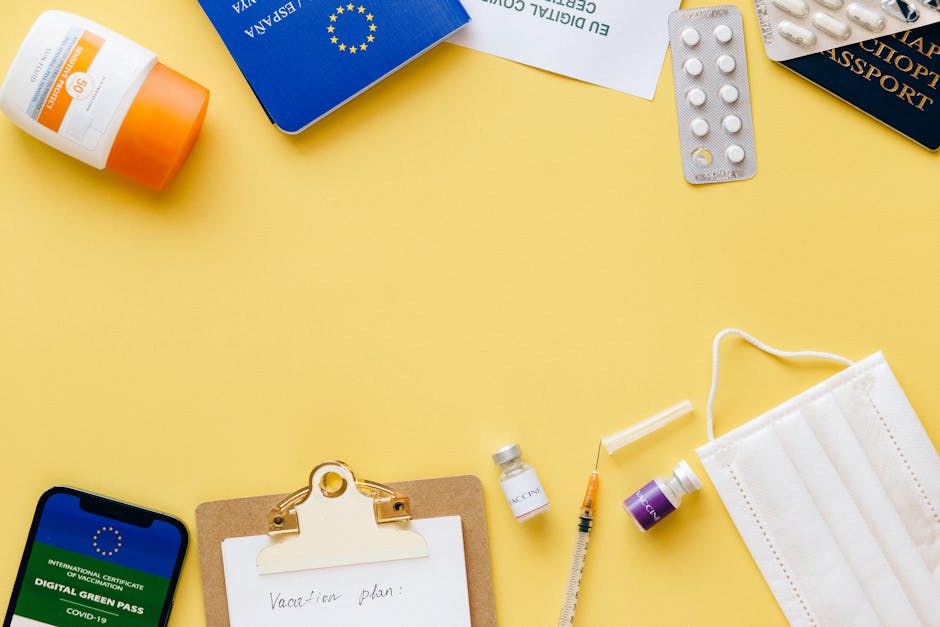
Every year, a growing number of patients from the UK, USA, Canada, and Australia fly to Istanbul — not for the history, the food, or the Bosphorus sunsets (though those help) — but for world-class medical and aesthetic procedures at a fraction of what they would pay at home. The question is no longer whether Istanbul is a legitimate medical destination. The question is: how do you plan a trip that is safe, smooth, and actually worth it?
This guide walks you through every step — from choosing your procedure and vetting your clinic, to what to pack and how to handle aftercare when you return home. Whether you are researching rhinoplasty in Turkey, a dental veneer treatment in Istanbul, or a full mommy makeover, the planning framework is largely the same. Book Your Free Consultation to get a personalised itinerary before you read any further — or keep reading to understand exactly what you are signing up for.
Turkish Society of Plastic, Reconstructive and Aesthetic Surgeons (TSPRAS) (https://turkplasticsurgery.org) | Content produced by the Dollhouz Editorial Team and aligned with clinical standards set by the Turkish Society of Plastic, Reconstructive and Aesthetic Surgeons (TSPRAS) and the International Society of Aesthetic Plastic Surgery (ISAPS).
This guide was last reviewed in July 2025.
Why Istanbul Has Become a Top Medical Tourism Destination
Istanbul is not an emerging destination — it is an established one. Turkey welcomed 1.5 million health tourists in 2024, generating $3 billion in medical tourism revenue, driven by demand for cosmetic surgery, dental work, hair transplants, and oncology treatments.
Source: Turkey Health Tourism Statistics 2024 — Turkey welcomed 1.5 million health tourists in 2024, generating $3 billion in medical tourism revenue.
According to the ISAPS 2024 Global Survey, Turkey ranks among the top five countries globally for aesthetic procedures performed, with costs averaging 60–70% lower than Western Europe and North America.
Source: ISAPS 2024 Global Survey — Turkey ranks among the top destinations globally for aesthetic procedures, with costs significantly below Western market rates.
Several factors explain this: Turkey has invested heavily in private hospital infrastructure, its medical schools produce highly trained specialists, and the cost of living means that even premium-tier clinics operate at prices that appear extraordinary to patients from the US or UK. Istanbul in particular concentrates the country's most internationally accredited hospitals and most experienced surgeons. Many leading practitioners trained in Europe or the United States before returning to practice in Turkey, bringing international technique standards with them.
For context, many Istanbul hospitals hold Joint Commission International (JCI) accreditation — the same body that certifies hospitals across North America and Europe.
Source: Joint Commission International (JCI) — the international benchmark for hospital accreditation, used by patients worldwide to verify clinical standards.
Am I a Good Candidate for Medical Tourism in Istanbul?
Medical tourism is not appropriate for every patient, and responsible planning begins with an honest self-assessment of your clinical suitability. The following criteria are used by surgeons and coordinators to determine whether travelling abroad for surgery is appropriate for a given patient.
Factors that typically indicate good candidacy
- Stable general health. You are not acutely unwell, do not have uncontrolled chronic conditions (such as unmanaged diabetes or hypertension), and have been cleared by your local GP for elective surgery.
- BMI within surgical range. For most body contouring procedures (tummy tuck, BBL, liposuction), surgeons typically require a BMI below 30–32. For a mommy makeover or combined procedures, many surgeons prefer a BMI under 28 to reduce anaesthetic and wound-healing risk. BMI thresholds vary by surgeon and should be confirmed at consultation.
- Non-smoker or willing to quit. Smoking significantly impairs wound healing and increases complication rates. Most surgeons require patients to stop smoking at least four weeks before surgery and four weeks after.
- Realistic expectations. You understand what the procedure can and cannot achieve, have seen procedure-specific before-and-after portfolios, and are not pursuing surgery to fulfil an external expectation.
- Ability to take adequate recovery time. You can remain in Istanbul for the full recommended stay and take the required rest period after returning home without being immediately pressured by work or childcare obligations.
- No recent major surgery. Patients who have undergone major surgery within the previous six to twelve months may require additional clearance before undergoing further procedures.
Factors that may disqualify or delay candidacy
- Active cardiovascular disease, including recent heart attack, stroke, or uncontrolled arrhythmia — these significantly elevate anaesthetic risk and are typically absolute contraindications for elective cosmetic surgery.
- Autoimmune conditions or immunosuppressive therapy — these impair healing and increase infection risk. Candidacy must be assessed case-by-case with your rheumatologist and the treating surgeon.
- Blood clotting disorders — including factor deficiencies or a history of DVT — require specialist haematology clearance before any elective surgical procedure abroad.
- Active malignancy or recent cancer treatment — patients undergoing or recently completing chemotherapy or radiotherapy should defer elective surgery until cleared by their oncologist.
- Pregnancy or breastfeeding — all elective cosmetic procedures are contraindicated during pregnancy, and most surgeons recommend waiting at least six months after breastfeeding concludes before body contouring procedures.
- Severe obesity (BMI above 35–40) — significantly increases risk of anaesthetic complications, wound dehiscence, and DVT, and most accredited Istanbul surgeons will decline to operate until weight is within a safer range.
- Psychological instability or body dysmorphic disorder (BDD) — responsible surgeons screen for BDD because surgery does not resolve underlying psychological distress and may worsen outcomes. Patients showing signs of BDD will typically be referred for psychological evaluation before surgery is considered.
If you are uncertain whether you meet candidacy criteria, your first step should be a remote pre-operative consultation — not a booking. A credible clinic will assess your medical history, request blood results, and advise you honestly on suitability before accepting your case. Book Your Free Consultation and our clinical team will conduct a thorough pre-screening before any commitment is made.
Step 1 — Define Your Procedure and Research Your Options
Medical tourism planning starts before you search for flights. The first step is to be specific about what you want done and to understand the clinical parameters of that procedure. Vague goals lead to vague consultations and, sometimes, misaligned outcomes.
What is the difference between a consultation goal and a procedure goal?
A consultation goal is broad: "I want to look less tired." A procedure goal is specific: "I want upper eyelid surgery to remove excess skin that is creating a hooded appearance." The more specific your brief, the better your surgeon can advise whether your expectations are realistic, what technique is appropriate, and how long recovery will take. This clarity also helps you compare quotes between clinics accurately, because you are comparing like-for-like.
Popular procedures in Istanbul include:
- Rhinoplasty (nose job) — among the most performed aesthetic surgeries globally, Istanbul surgeons are internationally recognised for structural and ethnic rhinoplasty techniques
- Hair transplant — FUE and DHI techniques, Istanbul is considered the global centre for this procedure
- Dental veneers — Emax, zirconia, and feldspathic options at 60–70% below UK or US prices
- Tummy tuck (abdominoplasty) — frequently combined with liposuction for full abdominal contouring
- BBL (Brazilian Butt Lift) — fat transfer technique requiring specialist aftercare planning
- Facelift — both deep plane and SMAS techniques widely available in Istanbul
Research your chosen procedure thoroughly before your first consultation. Read peer-reviewed sources. According to techniques published by Prof. Dr. Nazim Cerkes — former President of ISAPS and Professor of Plastic Surgery at Istanbul University Cerrahpasa Medical Faculty, and editor of the Aesthetic Plastic Surgery Journal — structural grafting approaches have significantly improved rhinoplasty longevity and natural-looking outcomes. Understanding the clinical language helps you ask better questions and evaluate surgeon responses more critically.
Step 2 — Vet Your Clinic and Surgeon Rigorously
This is the single most important step in your planning process. The quality gap between the best and worst clinics in Istanbul is significant — and the price gap between them can be surprisingly small. Do not optimise for the lowest quote.
Use the following checklist when evaluating any clinic:
- JCI accreditation — verify directly on the Joint Commission International website, not just via the clinic's own claims
- Surgeon credentials — look for board certification from the Turkish Society of Plastic, Reconstructive and Aesthetic Surgeons (TSPRAS) and/or ISAPS membership
- Before-and-after portfolio — request procedure-specific photos that match your anatomy and goals
- Consultation process — a credible clinic will offer a video consultation before you book travel, not just a price quote
- Package transparency — confirm what is included: hospital stay, anaesthesia, transfers, medications, follow-up consultations
- Communication responsiveness — if a clinic is slow to respond pre-booking, that pattern tends to continue post-surgery
How to verify surgeon qualifications in Turkey
Verifying your surgeon's credentials is not optional — it is the most important due-diligence step you can take. Use the following official resources:
- TSPRAS member verification: The Turkish Society of Plastic, Reconstructive and Aesthetic Surgeons (TSPRAS) is the official body governing plastic surgery credentials in Turkey. Patients can search the member directory to confirm that a named surgeon holds board certification. TSPRAS membership requires completion of a recognised plastic surgery training programme and adherence to the society's ethical standards.
- ISAPS member directory: The International Society of Aesthetic Plastic Surgery (ISAPS) maintains a publicly searchable directory of member surgeons worldwide. ISAPS membership requires peer-reviewed application, demonstration of specialist training, and a commitment to ongoing education. Searching for your surgeon's name in the ISAPS directory confirms their international peer recognition.
- JCI accreditation search: Hospital-level accreditation can be verified directly via the Joint Commission International accreditation directory. Search by country (Turkey) and institution name to confirm current accreditation status — do not rely solely on a clinic's own website claim.
- Turkish Ministry of Health registration: Clinics operating as licensed medical tourism providers must be registered with the Turkish Ministry of Health. Patients can request a clinic's registration number and verify it through official channels.
For dental procedures specifically, practitioners in Turkey are licensed and regulated by the Turkish Dental Association (TDA), which maintains a register of qualified practitioners.
Source: Turkish Ministry of Health — official regulatory body overseeing medical tourism licensing and hospital standards in Turkey.
Source: American Society of Plastic Surgeons (ASPS) — peer-reviewed safety data and international surgeon credential standards for patients evaluating surgeons abroad.
Step 3 — Plan the Logistics of Your Trip
Once your procedure and clinic are confirmed, you need to build an itinerary around your clinical needs — not just your travel preferences. Recovery timelines vary significantly by procedure. Arriving two days before surgery and flying home four days later is not realistic for a rhinoplasty or tummy tuck. It might work for dental veneers.
| Procedure | Minimum Stay | Recommended Stay | Fly-Home Restriction |
|---|---|---|---|
| Dental Veneers | 5–7 days | 7 days | None (short-haul same day) |
| Hair Transplant | 3–5 days | 5 days | Avoid pressure hats for 2 weeks |
| Rhinoplasty | 10–14 days | 14 days | No flying for 10–14 days post-op |
| Tummy Tuck | 10–14 days | 14 days | No long-haul flights for 2–3 weeks |
| BBL | 10–14 days | 14 days | Specialised seating required |
| Facelift | 10–14 days | 14 days | No flying for 10–14 days post-op |
Istanbul is well-served by international airports — Istanbul Airport (IST) is the main hub with direct connections from virtually every major city in the UK, Europe, North America, and Australia. Sabiha Gokcen Airport (SAW) on the Asian side is smaller but closer to some clinic districts on the Anatolian side of the city. SAW is served by budget carriers including Pegasus Airlines (operating routes from London Stansted, Manchester, Berlin, Amsterdam, and other European cities) and Wizz Air (serving London Luton and multiple European hubs), which can offer meaningfully lower fares than full-service carriers into IST — particularly for UK and European patients booking in advance. If your clinic is located in the Kadıköy, Üsküdar, or Pendik districts, SAW may also reduce your ground transfer time considerably.
Accommodation-wise, many all-inclusive packages include hotel stays in a recovery-friendly property close to the clinic. If you are booking independently, prioritise proximity to your clinic over proximity to tourist attractions. You will not be sightseeing on day two post-surgery.

Step 4 — Understand the True Cost of Your Trip
One of the most common misconceptions about medical tourism is that hidden costs erode the savings. In practice, when you account for flights and accommodation, Istanbul remains dramatically cheaper than domestic alternatives in the UK, USA, Canada, or Australia — even for surgical procedures requiring a two-week stay.
| Cost Component | Istanbul (Dollhouz Package) | USA | UK |
|---|---|---|---|
| Procedure cost | $3,500–$5,000 | $8,000–$15,000 | £6,000–£12,000 |
| Accommodation (14 nights) | Included in package | N/A (home recovery) | N/A (home recovery) |
| Return flights | $600–$1,200 (from USA/UK/CA) | — | — |
| Estimated total | $4,100–$6,200 | $8,000–$15,000 | £6,000–£12,000 |
Even including transatlantic flights, patients from the USA and Canada typically save 50–65% on rhinoplasty in Istanbul compared with domestic pricing. For UK patients, the NHS does not cover cosmetic surgery, and private costs are comparable to US pricing. For US patients, cosmetic procedures are excluded from health insurance entirely — and most dental insurance plans cap annual benefits at approximately $1,500 per year, making multi-veneer smile makeovers essentially out-of-pocket regardless.
Source: ADA Health Policy Institute — US dental cost benchmarks, including per-veneer costs of $1,500–$2,500 in the United States, highlighting the scale of savings available for patients seeking treatment in Istanbul.
Source: NHS UK — Treatment Abroad — UK patient guidance on receiving medical and dental treatment abroad, including what to consider before travelling for surgery.
Pricing figures cited in this article are based on Dollhouz aggregate data from patient consultations and publicly available clinic tariffs. According to the ISAPS 2024 Global Survey, Turkey ranks among the top destinations globally for aesthetic procedures, with costs averaging 60–70% lower than Western Europe and North America. All figures are indicative and subject to change based on exchange rates, procedure complexity, and clinic selection. Request a personalised quote for accurate pricing.
If cost comparison is central to your decision, read our detailed breakdown: Get Your Personalised Quote and our team will provide a full itemised estimate within 24 hours.
Risks and Considerations
Balanced planning means understanding the risks, not just the benefits. Istanbul is a legitimate, high-quality destination for medical tourism — but that does not mean the decision is risk-free.
- Distance complicates follow-up care. If you experience a complication after returning home, accessing remedy from a foreign clinic is difficult. Choose a clinic that has a structured remote aftercare protocol and assigns you a named coordinator who remains contactable post-return.
- Some procedures are irreversible. Tooth preparation for veneers or crowns permanently removes enamel. Surgical alterations cannot be undone. Ensure you are fully informed before proceeding, not during the consultation in Istanbul.
- JCI accreditation is not universal. Not every Istanbul clinic is JCI-accredited. Do not assume accreditation — verify it directly via the JCI accreditation search tool. A non-accredited facility is not automatically unsafe, but accreditation provides an independent quality benchmark.
- Flight timing matters clinically. Flying with cabin pressure changes too soon after surgery (particularly rhinoplasty, sinus procedures, or dental extractions) carries risk. Follow your surgeon's specific guidance — not a generic online timeline.
- DVT (deep vein thrombosis) risk on the return flight. Long-haul flights after surgery carry a clinically significant risk of deep vein thrombosis, particularly following body contouring procedures such as tummy tuck, BBL, or facelift. Surgery increases coagulation activity, immobility during a flight reduces venous return, and cabin pressure changes further compound risk. Before your return flight, discuss DVT prophylaxis with your surgeon — this may include compression stockings, low-molecular-weight heparin (LMWH) injections, and scheduled in-flight movement. Patients with a personal or family history of DVT or pulmonary embolism must disclose this during pre-operative assessment. Do not fly home earlier than your surgeon recommends, and on long-haul flights, walk the cabin, flex your calves regularly, and stay well hydrated.
- Inform your home practitioner. When you return, bring your full discharge documentation and inform your local GP and dentist of the treatment received. Local practitioners can handle routine maintenance, monitor healing, and escalate concerns appropriately. This is a critical step that many patients skip.
These risks are manageable with the right coordinator, the right clinic, and thorough pre-trip planning. They are not dealbreakers — but they are not details either.
What to Expect During Your Istanbul Stay
For patients working with a coordinated medical tourism provider like Dollhouz, the Istanbul experience is structured from the moment you land. Airport transfer, clinic check-in, pre-operative assessments, surgery, hospital stay, follow-up consultations, and return transfer are all coordinated through a single point of contact.
Language is not a barrier at accredited Istanbul clinics. International patient coordinators are standard practice, and English-speaking clinical staff are widely available. Many patients are surprised by how streamlined the process feels — particularly compared with the administrative burden of navigating a domestic private healthcare system.
Recovery time in Istanbul is not wasted time. Patients often describe the post-operative period — resting in a comfortable hotel, being checked on by their coordinator, eating well — as less stressful than recovering at home while managing family or work obligations. Plan for this time in your schedule intentionally.
"I was honestly nervous about the whole thing. But from the minute I landed, everything was arranged — transfers, the clinic, even my hotel meals after surgery. The coordinator checked on me every day. I came home with results I genuinely love and paid less than a quarter of what I was quoted in London."
— Patient from the UK (name withheld on request) | Rhinoplasty, Istanbul
Want to see real patient results before deciding? Follow Dollhouz on Instagram — we post real patient journeys and results every day.
Frequently Asked Questions
Is medical tourism in Istanbul safe?
Istanbul has a large number of internationally accredited hospitals and highly trained specialists who meet international clinical standards — but safety depends on the specific clinic and surgeon you choose, which is why vetting credentials and JCI accreditation is essential before booking.
What qualifications should my Istanbul surgeon have?
Your surgeon should hold board certification from the Turkish Society of Plastic, Reconstructive and Aesthetic Surgeons (TSPRAS) — the official credentialing body for plastic surgeons in Turkey — and ideally membership of the International Society of Aesthetic Plastic Surgery (ISAPS), which requires peer-reviewed application and demonstration of specialist training. Additionally, confirm that your surgeon performs your specific procedure regularly: a surgeon who is credentialled in plastic surgery but performs your chosen operation infrequently does not offer the same risk profile as a high-volume specialist. Ask for case volume figures and procedure-specific before-and-after portfolios during your consultation.
How do I verify a surgeon's credentials in Turkey?
Use these official verification routes: (1) Search the TSPRAS member directory to confirm Turkish board certification. (2) Search the ISAPS member directory to confirm international peer recognition. (3) Verify hospital-level accreditation directly via the JCI accreditation search tool — search by country (Turkey) and institution name. (4) Request the clinic's Turkish Ministry of Health registration number and cross-reference it via the Turkish Ministry of Health official portal. Do not rely solely on a clinic's own website claims for any of these checks.
How far in advance should I plan my Istanbul medical trip?
For surgical procedures, most coordinators recommend planning at least 6–8 weeks in advance to allow time for remote consultations, blood tests, pre-operative assessments, and travel logistics without rushing decisions.
What is included in a Dollhouz all-inclusive package?
Dollhouz packages typically include the procedure itself, anaesthesia, hospital or clinic stay, accommodation, airport transfers, post-operative medications, and follow-up consultations — though exact inclusions vary by procedure and should be confirmed during your free consultation.
Can I combine multiple procedures in one trip?
Combining procedures is possible and sometimes clinically appropriate, but it must be assessed case-by-case by your surgeon, who will evaluate whether combining procedures is safe given your health status, the complexity of each procedure, and your recovery capacity.
Will I be able to communicate in English in Istanbul?
At internationally accredited clinics and hospitals in Istanbul, English-speaking coordinators and clinical staff are standard, and patients should not encounter significant language barriers when working with an established medical tourism provider.
How do I handle aftercare when I return home?
You should bring your full discharge documentation home, share it with your local GP and dentist or relevant specialist, and follow your Istanbul surgeon's specific aftercare instructions — your local practitioners can handle routine monitoring and escalate any concerns if needed.
Is it worth flying to Istanbul just for dental veneers?
For patients considering multiple veneers, the cost saving can be substantial — dental veneer packages in Istanbul typically cost 60–70% less than equivalent treatment in the USA or UK, meaning the saving on a 10-veneer smile makeover alone can comfortably cover flights and accommodation with significant savings remaining.
What is the DVT risk of flying home after surgery, and how do I reduce it?
Deep vein thrombosis (DVT) is a clinically significant risk for post-surgical patients on long-haul flights. Surgery increases clotting factors in the blood, immobility during flight reduces venous circulation in the legs, and reduced cabin pressure can further elevate risk. For procedures such as tummy tuck, BBL, or facelift, most surgeons recommend waiting a minimum of two to three weeks before a long-haul flight. To reduce DVT risk on your return journey: wear medical-grade compression stockings; walk the cabin and perform calf-flexing exercises every 45–60 minutes; maintain adequate hydration; and, if prescribed by your surgeon, administer low-molecular-weight heparin (LMWH) before departure. Patients with a personal or family history of DVT, pulmonary embolism, or clotting disorders must declare this before surgery — your surgeon may recommend haematology review and an extended stay before flying. If you experience calf swelling, redness, chest pain, or shortness of breath after returning home, seek emergency medical attention immediately.
What happens if I have a complication after returning home?
Most complications are minor and can be managed by your local GP with guidance from your Istanbul clinic, which is why choosing a provider with a robust remote aftercare protocol and a named coordinator who remains contactable post-return is critically important.
Medical Disclaimer: This article is for informational purposes only and does not constitute medical advice. Always consult a qualified medical professional before undergoing any surgical procedure.
Planning a medical tourism trip to Istanbul does not have to be complicated — but it does require the right information, the right clinic, and the right support structure. The savings are real. The clinical quality, at accredited facilities, is real. And the experience of combining excellent care with a city as extraordinary as Istanbul is genuinely difficult to replicate anywhere else in the world.
The next step is straightforward: Start Your Journey Today with a free, no-obligation consultation. Tell us your procedure, your timeline, and your goals — and our team will build you a personalised treatment plan, itinerary, and quote within 24 hours.


Subscribe to our weekly newsletter
Lorem ipsum dolor sit amet consectetur consequat aliquam sit eget sed tortor tempor eget varius massa.
Related posts
Trusted global provider of luxury cosmetic surgery and medical tourism, based in Istanbul with care that starts before you land.